
A Talker Research survey of 2,000 Americans, published in August 2025, found that roughly half of adults made no new friends in the past year. Not fewer friends than they wanted. Zero. The finding got a lot of attention, mostly framed as a loneliness story. But read the details and a different picture emerges: most respondents said they wanted more connection. They just couldn't figure out how to make it happen.
That gap between wanting and doing is the real story. Adults aren't indifferent to friendship. They're stuck. The social architecture that worked at 22 (shared classes, dorms, a standing Thursday night at the same bar) disappears somewhere in your 30s, and nothing replaces it. What's left is a vague intention to "reach out more" that evaporates the moment you open your calendar and realize you're booked until the week after next.
Intention Without Infrastructure Goes Nowhere
The standard advice is to be more proactive. Text that acquaintance you liked. Join a club. Say yes more often. This advice isn't wrong, exactly, but it skips the part where you have to coordinate a time, pick a place, and manage the awkward back-and-forth that makes a casual coffee feel like scheduling a board meeting. Most people don't follow through not because they lack motivation but because the coordination overhead is too high relative to a connection that doesn't yet feel certain.
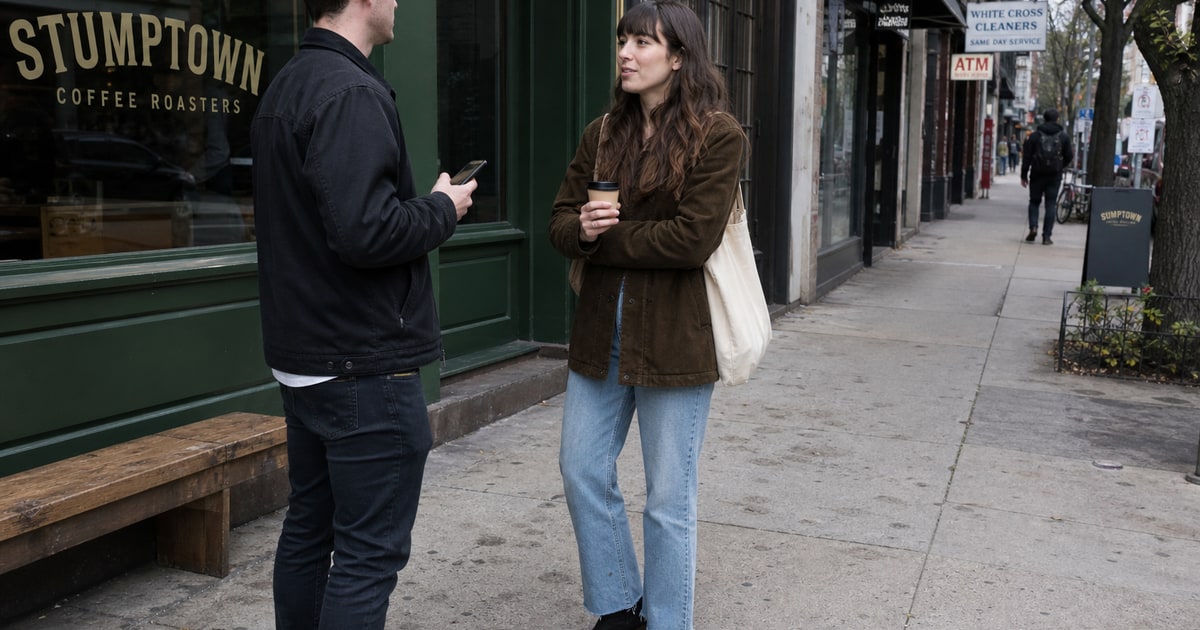
This is a structural problem, not a character flaw. The tools adults use for scheduling, from calendar apps to polished booking links, were built for professional contexts with existing relationships. They assume two people who already have a reason to meet are now just finding a slot. They do nothing for the earlier, softer moment: signaling that you're open, available, and nearby.
The Missing Signal
What most adults are actually missing is something much simpler than a scheduling tool. They need a way to say "I'm free right now, at the coffee shop on Fifth, if anyone wants to drop by" without that statement feeling like a formal invitation requiring a formal response. The friction isn't in the meetup itself. It's in the ask.
JavaMe was built around exactly that moment. You set an availability window, pick a nearby public venue, and your status becomes visible to people in your network who are also free. Someone nearby sees it and suggests a specific time and place. No thread of messages negotiating options, no calendar invite, no pressure. The public venue does a lot of work here too: a cafe or library is neutral ground, easy to leave, and carries none of the implied obligation of someone's home or office. The survey data suggests millions of adults are sitting on genuine openness to connection. The missing piece isn't desire. It's a mechanism low-pressure enough to actually use.