Three out of four professionals say they want a mentor. According to data from Together Platform published earlier this year, only about 37% have one. That gap is not explained by a shortage of people willing to mentor. Research from CoffeePals in 2025 shows that experienced professionals are broadly open to informal guidance conversations. The gap is explained by something more specific: nobody wants to be the person who asks.
The first ask is awkward in a particular way. Reaching out to someone you admire and saying "would you mentor me?" carries an implicit weight that most people find off-putting to place on a near-stranger. It implies a recurring commitment, an ongoing relationship, a formal arrangement that neither party has agreed to. So people draft the message, sit on it, and eventually don't send it. The potential mentor, meanwhile, has no idea the ask was coming and carries on with their week.
The Calendar Is Part of the Problem
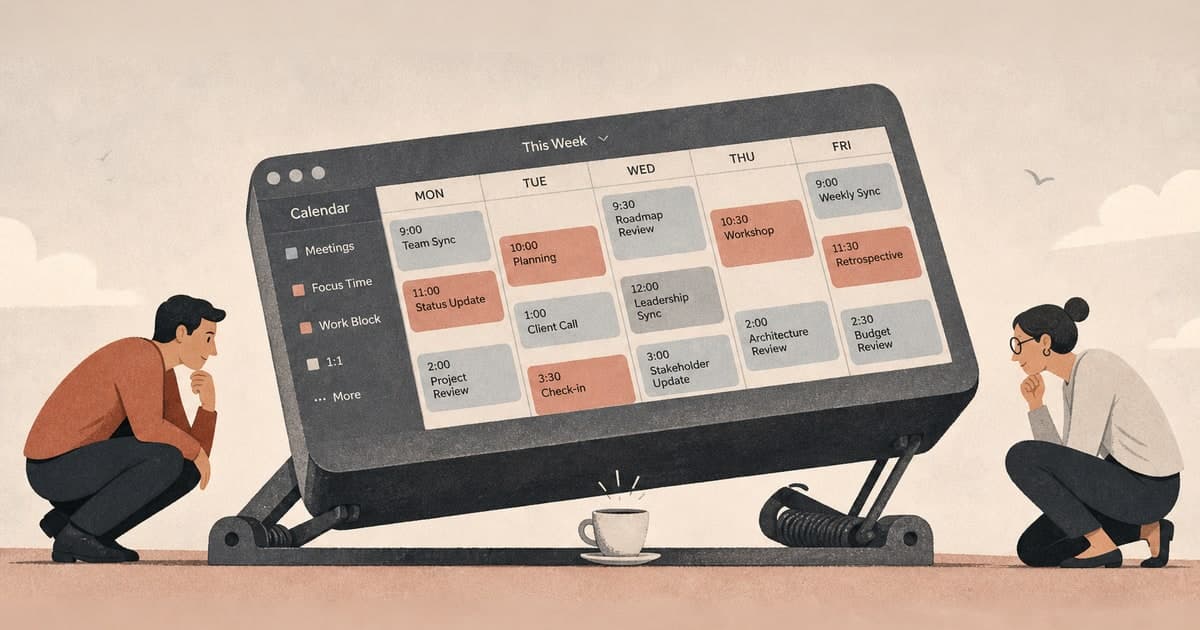
Even when someone does get past the first ask, scheduling the conversation often kills the momentum. A coffee chat that should take 45 minutes ends up requiring a week of back-and-forth to find a slot, a Calendly link, a video call fallback, and a reschedule. By the time the conversation happens, the original impulse has cooled. What started as a genuine moment of professional curiosity has become another task to manage.
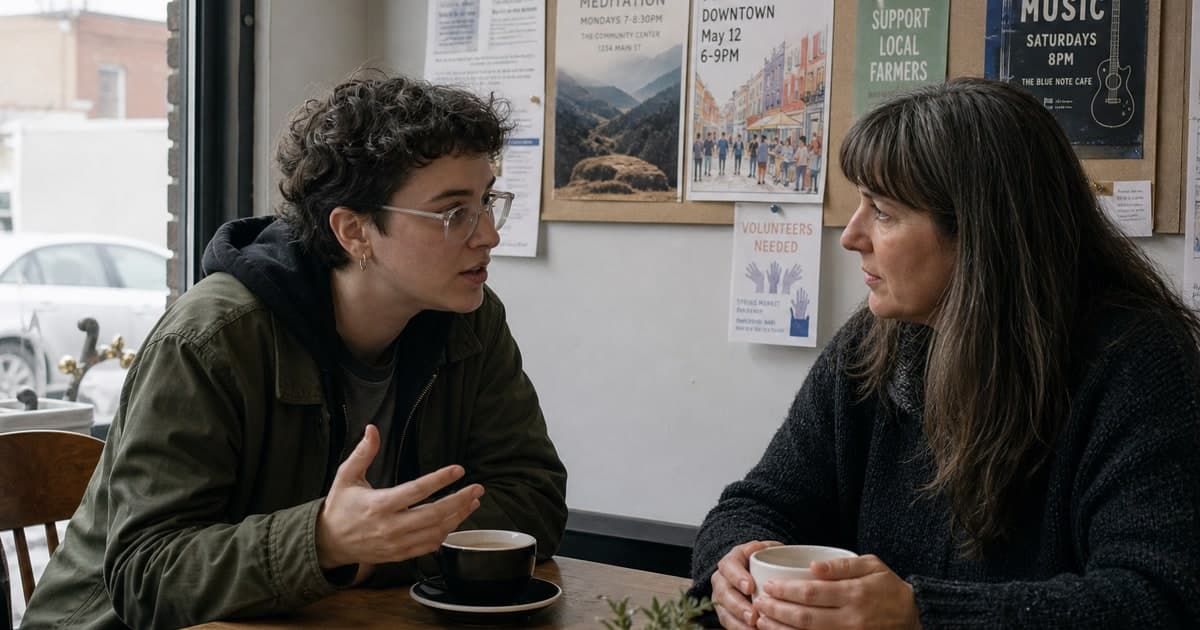
This is where the format of the meeting matters as much as the meeting itself. Informal, in-person conversations build trust in ways that a structured video call doesn't. You read body language. You share a physical space. The conversation breathes differently when neither person is staring at their own face in a corner of the screen. CoffeePals data consistently shows that mentorship relationships formed through low-pressure, informal settings are more likely to continue than those that start with a formal introduction or a structured program.
Signaling Availability Changes the Dynamic
The mentorship access problem is largely a coordination problem. It's not that people lack the desire or the generosity. It's that the structure around initiating a first informal meeting puts all the friction on the person who has the most to lose socially: the one who asks.
Tools like JavaMe flip this slightly. Instead of one person asking another for time, a potential mentor can simply signal they're available at a nearby cafe for the next hour. No calendar block, no commitment to a recurring relationship, no formal ask required. Someone who's been wanting to reach out can show up for a low-stakes conversation that both people opted into. The first meeting stops feeling like a proposal and starts feeling like a coincidence. That distinction matters more than it probably should, but it does.
Most of the professionals who never find a mentor aren't missing ambition or connections. They're missing a low-friction way to start. The willingness to help is already there. The gap is just the thirty seconds it takes to remove the awkwardness from the first move.