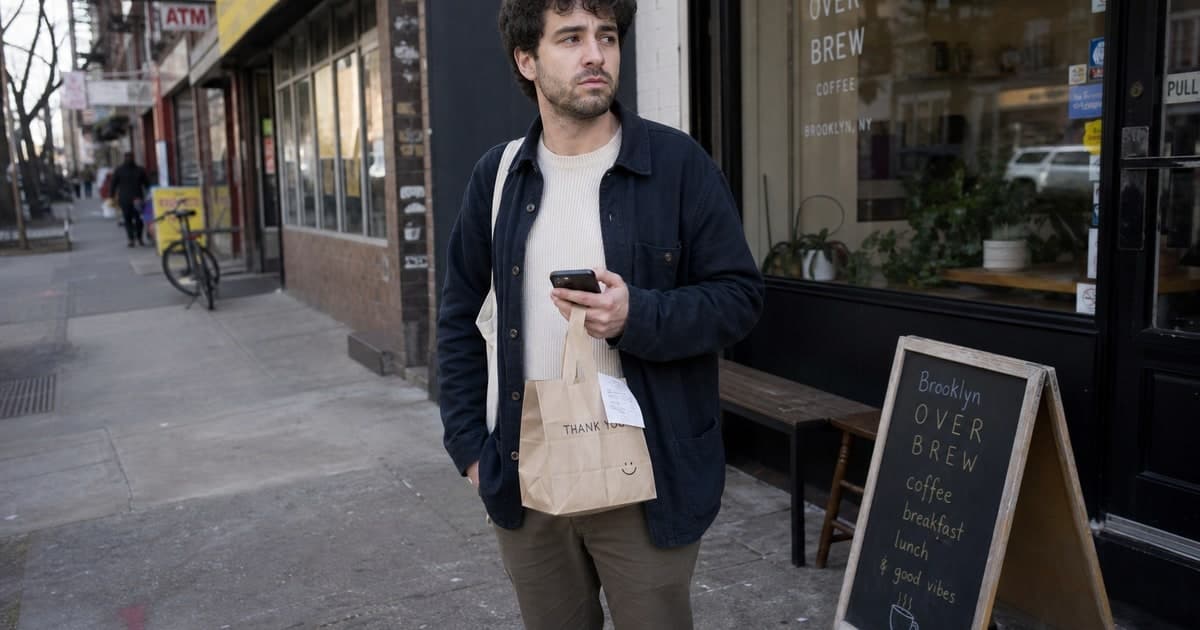

Something shifted in early 2025. Boston University researchers, urban planning journals, and retail industry groups like ICSC all started publishing reports about the same thing: people are rediscovering third places. Not home, not work, but the in-between spaces where casual social life used to happen automatically. Coffee shops. Public libraries. Community centers. The corner bakery where the owner knew your order.
The timing makes sense. Years of remote work, social media as a substitute for presence, and pandemic-era habits that calcified into permanent ones left a lot of people with thinner social infrastructure than they realized. Third places were the invisible scaffolding holding community together, and when they got deprioritized, the absence became hard to ignore. What researchers are calling a "third place crisis" is really just a delayed reckoning with how much we relied on these venues without ever consciously choosing them.
Showing Up Is Not the Same as Being There
Here is the part nobody talks about much: simply going to a cafe does not fix the problem. You can spend four hours in a coffee shop with your headphones in and leave having spoken to no one. Third places work because of the social rituals that used to happen inside them, not because of the physical space itself. The regulars who recognized each other. The standing conversation by the magazine rack. The informal introduction from someone who knew both parties. Those moments did not happen because people were at a third place. They happened because people were available at one.
Availability is the missing ingredient. Most professionals today have no visible signal for "I'm here, I have 30 minutes, I'm open to a conversation." You just sit there, looking busy, because looking busy is the default. The result is a room full of people who would genuinely benefit from talking to each other, all performing productive solitude instead.
The Difference Between Occupying a Space and Activating It
This is where the conversation about third places gets practically useful. If the problem is a lack of signal, the fix is making availability visible without making it weird. You are not announcing yourself to strangers. You are letting people who already know you, or who share a context with you, know that you are physically nearby and open to meeting up.
That is exactly how JavaMe works. You set a short availability window and a location, like the library branch on Main Street or the coffee shop near your office, and people in your network can see you are there and suggest a time to meet. No scheduling thread, no "when are you free next week" email chain. The coordination collapses into a single tap. It turns a passive afternoon at a cafe into something that can actually produce a client catch-up, a referral conversation, or a collaboration that never would have happened over a calendar invite. Third places have always had that potential. Now there is a practical way to activate it.