There's a specific kind of deflation that hits when you get the text two days before: "Hey, something came up." You had plans. You put them on the calendar. You maybe even looked forward to them. And now they're gone, replaced by a vague promise to reschedule that both of you know probably won't happen.
This isn't a personal failing, yours or theirs. Research on commitment and intention consistently shows that the longer the gap between making a plan and executing it, the more likely life will interrupt it. Work deadlines shift. Kids get sick. Energy runs out. The version of you who said yes to Thursday coffee two weeks ago was operating on optimism that the version of you on Wednesday night just can't sustain. Social psychologists call this the "empathy gap": we're bad at predicting how tired, busy, or overwhelmed our future selves will be.
The Calendar Is a Confidence Trap
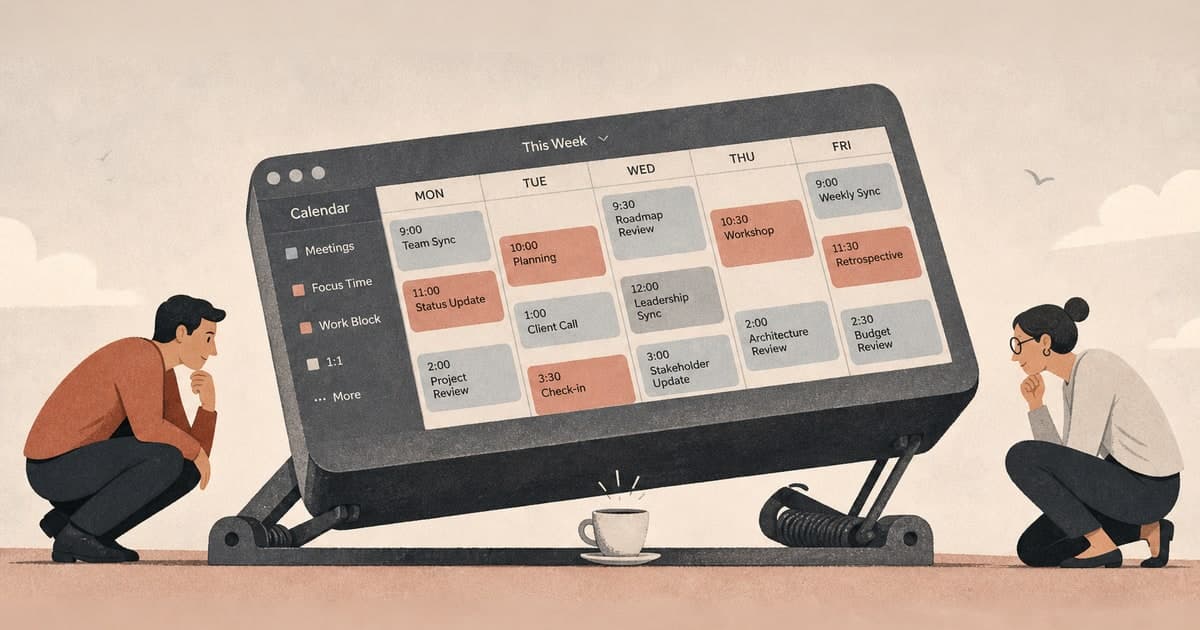
The tools most people reach for to solve this make it worse. Scheduling links and calendar invites work fine for formal meetings where there's professional accountability baked in. But for the looser social-professional category, catching up with a former colleague, grabbing coffee with someone you met at an event, reconnecting with a friend you've been meaning to see, a calendar entry is surprisingly fragile. It sits there for days, accumulating reasons to cancel. The longer it exists as a future obligation, the more it feels like one.

Spontaneous plans don't have that problem. When someone asks if you're free in the next hour and you say yes, there's almost no window for the plan to collapse. You're committing to something you're already capable of doing right now. The friction is low and the follow-through rate is dramatically higher. This is part of what's driving the current conversation around so-called "flaky" behavior: it's not that people are less reliable than they used to be, it's that advance-commitment culture sets everyone up to disappoint each other.
The Fix Is Smaller Than You Think
The reason more people don't make spontaneous plans isn't laziness. It's that there's no good infrastructure for it. Texting someone "are you free right now?" feels presumptuous. You don't know if they're in a meeting, picking up kids, or just not in the mood. So you don't ask. And they don't ask you. And the weeks pass.
This is exactly the gap JavaMe was built for. Instead of proposing a plan to a specific person and waiting to see if it survives the week, you set yourself as available, right now, at a nearby public venue. Anyone in your network who's also around can see you're free and suggest a time and place. No multi-day window for the plan to dissolve. No one feeling like they're imposing. The whole commitment loop happens in minutes, not days.
It's a small shift in how coordination works, but it sidesteps the entire fragile advance-planning cycle. Plans don't fall through when there's no gap between "let's do it" and actually doing it.